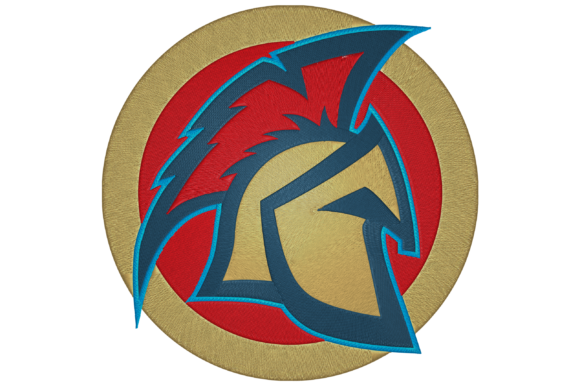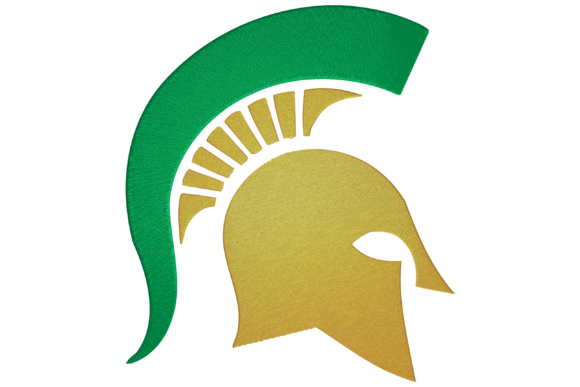
Spartan Helmet Embroidery Design
First Impression: Bold, Timeless, and Instantly Recognizable
As an embroidery designer who’s prepped over 200 craft fair booths—and watched thousands of shoppers pause at a single stitch—I’ll say it straight: Spartan Helmet lands with authority. It doesn’t whisper “military”; it stands tall, clean, and confident—like a well-worn crest on a leather-bound journal or a sharp emblem stitched onto a charcoal-gray apron. It’s not cartoonish, not overly ornate, and definitely not “cute.” This is bold minimalism with historical weight: strong lines, balanced symmetry, and a silhouette that reads clearly from six feet away. That’s gold for craft fairs, where attention spans are measured in seconds and visual hierarchy decides what gets picked up—and what gets walked past.
Where Spartan Helmet Shines in Your Booth Lineup
In my booth setup last spring, I tested Spartan Helmet across seven handmade product categories—and its performance was refreshingly consistent. On tote bag designs, it worked best centered on the lower third of a natural canvas tote: large enough to anchor the piece but not overpower the fabric’s texture. As apron embroidery, it landed powerfully above the pocket—clean, professional, and subtly aspirational (think baristas, woodworkers, history teachers). For tea towel embroidery, I scaled it down to 3.2” wide and paired it with a subtle cream thread on oat linen: elegant, tactile, and quietly premium.
Spartan Helmet also excelled as an embroidered patch—especially when heat-sealed onto denim jackets or canvas pouches. Its clean outer contour and uncluttered interior mean it holds shape beautifully after washing and wears like a badge of quiet confidence. On pillow covers, it stood out most on solid indigo or deep olive velvet—not just because of contrast, but because the design’s geometry played off the fabric’s richness. And yes—it translated cleanly to caps, though only when placed front-and-center on structured cotton twill (avoid curved visors or thin polyester unless you’ve tested stabilizer layers).
What Makes It a Smart Craft Fair & Etsy Seller Choice
This isn’t just another machine embroidery design. It’s a high-signal, low-noise asset for your small shop product lineup. Why? First, it’s instantly legible at glance—no squinting, no decoding. Second, it scales predictably: works at 2.5” for a pocket patch and expands cleanly to 5.5” for a market bag without losing definition. Third, it photographs exceptionally well for printable mockups and Etsy listings: crisp edges, strong negative space, and natural contrast make it pop against neutral backdrops.
For batch production? Spartan Helmet is repeatable. Moderate stitch density means stable running times across machines, fewer thread breaks, and reliable tension—even on mid-tier home embroidery units. That’s critical when you’re stitching 40+ pillow covers before Saturday morning. It also supports cohesive branding: pair it with a simple serif font for tags or packaging, and you’ve got a mini-collection that feels intentional—not random.
Careful-Use Notes Every Designer Should Check
Don’t skip these practical checks before cutting fabric:
- Dense stitch areas: The helmet’s cheek guard and crest base hold tighter fills—test on your target fabric with recommended stabilizer. Lightweight cutaway works best for knits; tear-away + light fusible for tea towels.
- Tiny details: The chin strap’s width and crest feather tips are precise—but may blur on textured towels or thick fleece. If using on terry cloth or heavy canvas, increase size by 10–15% or simplify manually.
- Dark fabric: Contrast matters. On black or navy, use bright white or metallic silver thread—not ecru or gray—to preserve clarity.
- Small lettering? None here—Spartan Helmet is purely iconographic. That’s a win: no kerning issues, no fading risk, no licensing complications from fonts.
- Hoop size: Confirm your machine’s largest compatible hoop before scaling up. Most versions fit comfortably in a 5x7”—but always verify with your embroidery file metadata.
How It Elevates Your Handmade Product Story
At craft fairs, customers don’t just buy objects—they buy meaning, identity, and intention. Spartan Helmet taps into resilience, discipline, and timeless craftsmanship. When stitched onto a handmade apron or linen pouch, it quietly signals quality—not loud, not trendy, but enduring. That perception lifts perceived value: buyers accept higher price points because the design feels curated, not generic.
It also strengthens booth display strength. Place three items—tote, apron, and tea towel—with Spartan Helmet in matching thread tones, and your table reads as a collection, not a grab-bag. That cohesion builds trust, encourages multiple-item purchases, and makes your finished product feel like part of a lifestyle—not just decor.
Final Designer Checklist Before You Stitch
Before launching Spartan Helmet into production:
- Run a test on scrap fabric matching your final product’s fabric texture and weight.
- Check thread colors under both daylight and booth lighting—what looks warm in studio light can read cool under tent fluorescents.
- Review spacing around the design—especially if combining with text or borders on apparel.
- Confirm your commercial embroidery license allows finished goods resale (this is non-negotiable for Etsy sellers and boutiques).
- Create at least one real-world mockup: photograph it on your actual tote or pillow cover—not just digital renderings.
- Compare how it reads across three fabric colors (e.g., cream, charcoal, olive) to lock in your strongest pairing.
Spartan Helmet isn’t flashy—but it’s memorable. It won’t chase trends, and it won’t fade in relevance after one season. For the Etsy seller, the handmade shop owner, and the creative entrepreneur building a sustainable craft business, that kind of quiet staying power is rare. Stitch it right, present it thoughtfully, and watch it become a steady seller—week after craft fair week.