Greek Helmet Embroidery Design Review
First Impression: Classic Authority with Quiet Confidence
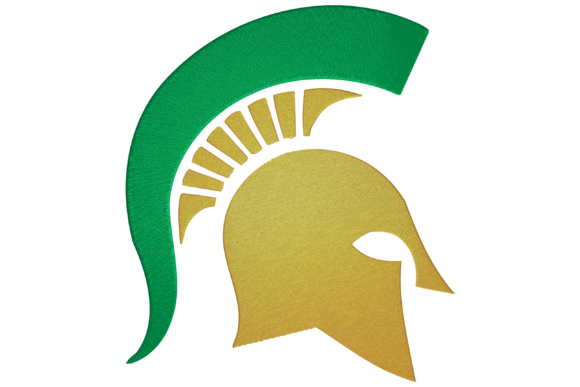
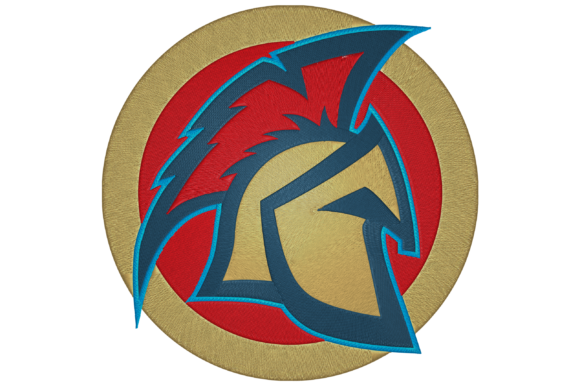
As an embroidery designer who’s developed hundreds of designs for small business merch, my first read on Greek Helmet is immediate: it signals timeless strength without shouting. It’s not flashy or cartoonish—it leans into the Military category with dignity, not aggression. That matters deeply when you’re building brand identity for a boutique, café, florist, or handmade studio. A Greek helmet evokes craftsmanship, heritage, and quiet authority—qualities that resonate whether stitched on a barista’s apron or a pet brand’s tote bag. It feels premium, not generic; intentional, not decorative.
Real-World Business Use: Where Greek Helmet Shines
This machine embroidery design works exceptionally well across high-impact small business applications:
- Embroidered patch: Perfect as a sew-on or iron-on badge for jackets, uniforms, or product packaging accents—its clean silhouette holds up at 2.5"–3.5" sizes.
- Apron embroidery: Centered above the pocket or subtly on the chest, it adds artisanal credibility to food trucks, bakeries, and craft studios.
- Cap embroidery: Works cleanly on structured front panels (not curved bill fronts) when sized appropriately—ideal for staff caps at local shops or creative studios.
- Tote bag design: Stands out on natural canvas or cotton twill without overwhelming—great for customer gifts or event merch.
- Custom apparel: Looks sharp on crewnecks, sweatshirts, and work shirts—especially in monochrome thread on neutral fabric.
- Printable mockup: Renders beautifully in digital previews for Etsy listings, client proposals, or social media teasers.
Because it avoids excessive detail, Greek Helmet scales reliably across commercial embroidery projects—from single-run boutique orders to batch production for staff uniforms.
Where to Use Greek Helmet Thoughtfully
Like any strong design, Greek Helmet has boundaries—and respecting them ensures your finished product looks professional, not compromised:
- Avoid tiny patch sizes below 2": Fine details like crest texture or cheek guard lines may blur or stitch poorly on ultra-small embroidered patches.
- Cap fronts with heavy curvature: Test stitch on a real cap blank first—some versions of this design may require slight simplification for optimal drape and clarity.
- Dark uniforms with low-contrast thread colors: If using navy or charcoal fabric, confirm your chosen thread colors deliver enough contrast—especially around outline definition.
- Textured or loosely woven fabrics: Linen, burlap, or slub cotton demand extra stabilizer support. The design’s moderate stitch density helps, but don’t skip proper cutaway or tear-away backing.
- Frequently washed items: While the design itself isn’t overly dense, verify thread tension and knot security during test runs—especially for aprons or staff shirts.
Brand Identity Impact: More Than Just a Logo
Greek Helmet doesn’t just mark your product—it quietly elevates perception. When customers see it on a handmade soap label, a florist’s tote, or a bakery’s apron, they register craftsmanship and intention. That builds trust faster than text-based branding alone. Unlike trendy icons, it avoids dating quickly—making it a smart long-term asset for evolving design assets. For Etsy sellers or craft businesses, it reinforces authenticity and care. For service-based brands (like pet sitters or local studios), it adds visual consistency across apparel, packaging, and digital touchpoints—without feeling corporate or cold.
Practical Designer Notes Before You Stitch
Before committing to production, run these checks—especially if you're sourcing the digital embroidery file for commercial embroidery:
- Test in black and white first: Remove color assumptions—see how shape and spacing hold up in monochrome.
- Check small patch viability: Resize to your target patch dimensions (e.g., 2.75") and inspect clarity in your embroidery software.
- Review thread color contrast: Simulate on your actual fabric swatch—not just screen preview.
- Inspect spacing and underlay: Ensure no floating elements or tight corners that could snag during wear.
- Confirm hoop size compatibility: Match the design’s largest dimension to your machine’s standard hoop—no last-minute resizing.
- Test on real fabric + stabilizer: Run a sample on your intended material—fabric texture changes everything.
- Create a physical mockup: Show clients or team members the actual stitched result before bulk production.
- Compare beside other design assets: Does Greek Helmet visually harmonize with your existing logo, typography, or brand palette?
- Verify commercial licensing: Since this is for small business merch, ensure your purchase includes rights for resale, branded apparel, and promotional use—don’t assume.
Final Thought: A Strategic Asset, Not Just a Design
Greek Helmet stands apart because it serves dual purposes: it’s both visually distinctive and functionally resilient. In a crowded market of fast-turnaround embroidery files, it’s rare to find one that balances heritage weight with modern versatility. Whether you’re a solo craftsperson launching on Etsy, a local shop outfitting staff, or a creative studio building cohesive merchandise, this embroidery file delivers more than decoration—it delivers brand reinforcement, customer resonance, and production reliability. Just remember: even the strongest design needs thoughtful execution. Test, compare, stabilize, and verify—then let Greek Helmet do the quiet, confident work it was made for.