Baby Cartoon Pilot Redwork
A Friendly, Approachable Identity for Small Business Merch
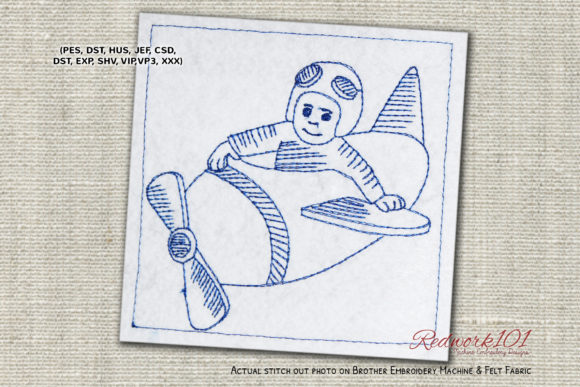
As an embroidery designer who’s digitized and stitched thousands of commercial projects—from café aprons to boutique tote bags—I immediately recognize Baby Cartoon Pilot Redwork as a design that balances charm with clarity. The title alone signals a lighthearted, human-centered aesthetic: “Baby” suggests softness and approachability; “Cartoon Pilot” evokes playful professionalism—think friendly baristas, creative studio teams, or pet-sitting entrepreneurs wearing caps with quiet confidence. This isn’t a stiff corporate logo—it’s a warm, hand-drawn-style redwork motif that leans into the handmade product ethos many small businesses rely on to stand out.
Where Baby Cartoon Pilot Redwork Shines in Real Business Use
This machine embroidery design excels where personality meets practicality. On embroidered patches, it reads clearly at 2–3 inches wide—ideal for sew-on badges on staff aprons, tote bag corners, or boutique packaging accents. Its redwork style (clean outlines with minimal fill) keeps stitch density low, reducing bulk and wear on fabrics like cotton twill, canvas, or denim—perfect for custom apparel that sees daily use.
- Staff uniforms: Works beautifully on chest pockets of work shirts or sleeve accents for florists, bakeries, or local studios—adding brand identity without overwhelming function.
- Cap embroidery: At moderate sizes (2.5" width), the cartoon pilot’s bold silhouette holds up well on structured front panels, especially when paired with contrasting thread colors.
- Tote bag design & apron embroidery: Scales gracefully to larger formats without losing legibility, making it ideal for branded customer gifts or reusable merch that doubles as walking advertising.
- Etsy branding & craft business assets: Aligns naturally with handmade product storytelling—pairing well with printable mockups for listings, seasonal collections, or limited-edition drops.
Smart Placement & Practical Limits
While versatile, Baby Cartoon Pilot Redwork requires thoughtful application. Avoid using it below 1.75" wide on curved surfaces like cap backs or tiny garment tags—the cartoon details (like facial features or helmet lines) may blur or stitch poorly without sufficient real estate. On dark uniforms or textured fabric (e.g., heavy linen or fleece), confirm thread color contrast early: redwork traditionally uses high-contrast thread (e.g., black on cream or navy on tan), but test stitching ensures readability after repeated washing.
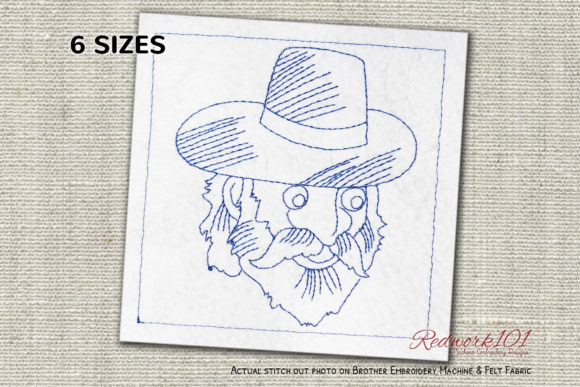
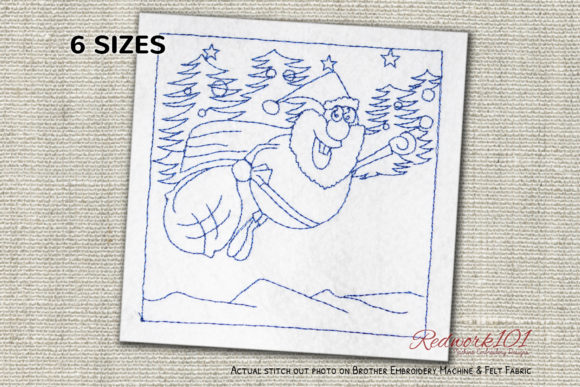
The note about “The Box Stitch shown in the picture is optional” is critical for commercial embroidery. That outer border isn’t part of the core design—it’s a framing device. Most small business owners will skip it unless building a themed patch series. If used, ensure spacing between box and pilot remains generous; tight margins increase risk of puckering on lightweight fabrics.
How It Strengthens Brand Identity & Customer Trust
In a crowded marketplace, consistency builds recognition—and Baby Cartoon Pilot Redwork delivers visual continuity across touchpoints. When your bakery uses it on staff aprons *and* its takeout tote bags, customers subconsciously connect the cheerful motif to your service. That sense of cohesion signals intentionality—not just decoration. For handmade brands, it reinforces authenticity: redwork’s heritage roots (think vintage samplers and folk art) subtly communicate care, tradition, and craftsmanship. That emotional resonance lifts perceived product value—whether you’re selling $45 artisanal candles or $12 reusable produce bags.
Importantly, it avoids over-designing. Unlike dense logos with gradients or fine typography, this embroidery file doesn’t compete with your product—it complements it. A pet brand using it on bandanas? The pilot becomes a friendly mascot, not a distraction. A creative studio on notebook covers? It adds warmth without sacrificing polish.
Essential Embroidery Designer Notes for Production
Before cutting thread or approving client files, here’s what I always verify with Baby Cartoon Pilot Redwork:
- Test in black and white first. Redwork relies on contrast—not color—so grayscale rendering reveals spacing issues, thin line breaks, or unintended gaps.
- Check small patch viability. Resize to your smallest intended use (e.g., 1.5" for keychain patches) and inspect stitch integrity—especially around the pilot’s hat brim and wing outline.
- Review thread color strategy. Since “the color of the outer box is a different color in most of the designs unless it is part of the design itself,” confirm whether any optional elements require matching or complementary thread palettes.
- Confirm hoop size and stabilizer needs. Low-density redwork typically works well with medium tear-away stabilizer—but test on your actual fabric. Heavy canvas may need cut-away; delicate chambray benefits from lightweight fusible.
- Create a physical mockup before bulk production. Stitch one sample on the exact fabric and garment type you’ll use. Lighting, drape, and wash cycles change how thread catches the eye.
- Compare beside other design assets. Does it harmonize with your existing logo, font system, or secondary patterns? Consistency in weight and rhythm matters more than identical style.
- Verify commercial licensing. As a digital embroidery file intended for Work and Embroidery use, ensure your purchase grants rights for small business merch, client projects, and resale items—not just personal craft.
Final Thought: Personality With Purpose
Baby Cartoon Pilot Redwork isn’t just decorative—it’s a strategic tool. In a single motif, it communicates friendliness, skill, and attention to detail—qualities every small business owner wants associated with their name. Whether stitched onto a florist’s canvas apron or a pet brand’s embroidered collar tag, it transforms functional items into memorable brand moments. Used intentionally—with smart sizing, thoughtful thread choices, and real-fabric testing—it becomes more than a design asset. It becomes part of your story.