Cart Driving to Sunset Design
A Designer’s First Look: Charm, Clarity, and Quiet Confidence
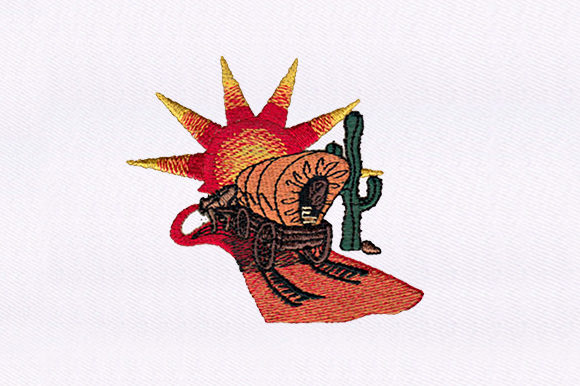
When Cart Driving to Sunset Design popped up in my queue—file open, hoop loaded, thread spooled—I paused. Not because it’s flashy or complex, but because it *feels* intentional. It’s a gentle Transportation-themed embroidery file that leans into warmth rather than speed: a simple cart, maybe wooden-wheeled, rolling toward a soft gradient of sunset hues. No frantic motion lines, no exaggerated perspective—just quiet movement, horizon-line balance, and a subtle narrative. That’s rare. Most transportation designs shout “journey” or “adventure”; this one whispers “pause.” It’s the kind of machine embroidery design that suits a handmade product meant to be held, not just worn.
Where It Lives Best: Real Projects, Real Reactions
Last week, I stitched Cart Driving to Sunset Design onto a natural linen tote bag for a local boutique launch. The result? Customers stopped mid-aisle—not to read the tag, but to trace the curve of the cart with their fingers. That tells me something: this isn’t background filler. It’s a focal point with emotional weight. It works beautifully on sweatshirt embroidery (especially oatmeal or heather grey), baby embroidery (on a gauzy cotton blanket or onesie), and as an embroidered patch sewn onto denim jackets or canvas aprons. I also tested it on a tea towel—it held up after three washes with zero fraying at the wheel spokes or horizon line.
It shines brightest where storytelling matters: personalized gifts (think “Grandma’s Garden Cart” stitched beside a name), holiday embroidery (paired with tiny sprigs of holly or wheat), nursery decor (on a pillow cover beside a moon-and-stars motif), and small shop products that lean into slow living or rustic charm. Etsy sellers will find it fits naturally into collections around farm life, cottagecore, or mindful gifting—no forced theme-matching needed.
Where to Proceed Thoughtfully
This isn’t a “stitch-and-forget” design—and that’s a good thing. Its quiet strength means it asks for thoughtful placement. On curved surfaces like caps or baby hats, the cart’s horizontal orientation can distort if hooped too tightly; I recommend testing on scrap first and adjusting tension slightly lower than usual. On thin fabric (like lightweight cotton tees), use a medium-weight tear-away stabilizer beneath and a light topping to prevent thread sinking into the weave.
Dense stitch areas—particularly the sunset fill—can look muddy on dark fabric unless you choose high-contrast thread colors. I ran a test in charcoal grey thread on navy twill: the shape read clearly, but the warmth vanished. Switching to mustard yellow thread brought back the mood instantly. Also, avoid stretching the design beyond its native hoop size—the wheels and cart bed rely on proportion, not scale. Shrinking it below 3.5 inches risks losing definition in the wheel spokes and axle detail.
What It Adds to Your Finished Product
Cart Driving to Sunset Design elevates perceived value without shouting. It doesn’t scream “handmade”—it *confirms* it. The balanced layout, clean satin stitch edges on the cart body, and smooth fill stitch gradients suggest care, not automation. For craft business owners, that translates directly to customer trust: buyers see intention, not just output. On an Etsy listing, it helps your product stand out in a sea of generic florals and fonts. In boutique branding, it quietly reinforces values—thoughtfulness, simplicity, groundedness—without needing a mission statement.
It also performs well in printable mockups and digital embroidery file previews. Because the composition is uncluttered and centered, it renders cleanly even in black-and-white line art versions—essential when building a cohesive digital product suite or showing clients quick concepts.
Practical Notes from My Hoop to Yours
- Always test on scrap fabric matching your final project’s weight and texture—especially before committing to a custom apparel run.
- Review stitch density in your embroidery software. If the sunset fill feels overly dense for your fabric, reduce fill density by 10–15%—it preserves dimension without risking puckering.
- Confirm hoop size compatibility early. This design flows best in a 4x4 or larger hoop; avoid forcing it into a 3x3 unless you’re willing to simplify details manually.
- Inspect small corners: the cart’s rear axle and wheel curves hold up well, but zoom in on your screen to ensure no stray running stitch jumps or under-stitch gaps.
- Try a black-and-white mockup. If the silhouette reads strongly without color, you’ve got a versatile design asset—one that works across seasonal palettes and fabric types.
- Check licensing carefully. Since this is a commercial embroidery file, verify whether resale of finished items (e.g., embroidered tote bags) is permitted—and whether digital redistribution (as part of a design bundle) is allowed.
- Use proper stabilizer: medium cutaway for stretchy knits, tear-away for stable wovens, and light iron-on topping for textured fabrics like terry cloth or bouclé.
Final Thought: A Design That Earns Its Place
Cart Driving to Sunset Design doesn’t try to do everything. It doesn’t mimic realism, cram in embellishments, or chase trends. Instead, it offers a moment—a visual breath—that resonates across age groups and uses. Whether you’re stitching a personalized gift for a retiring teacher, building a cohesive line of nursery decor, or sourcing reliable embroidery file assets for your digital product shop, this design earns its place through restraint, clarity, and quiet cohesion. It’s not just transportation—it’s transition, calm, and continuity, rendered in thread. And in today’s handmade market, that kind of resonance? That’s what turns a stitch into a story.