Cleaner Boy Machine Design
First Impressions: Sweet, Playful, and Full of Heart
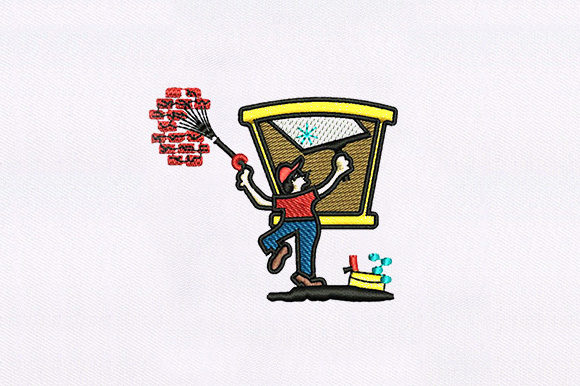
As an embroidery designer who’s tested hundreds of digital embroidery files for gift shops and Etsy sellers, the Cleaner Boy Machine Design immediately stood out—not for flashiness, but for its quiet charm. It’s a gentle, hand-drawn-style illustration of a boy cheerfully operating a cleaning machine, rendered with soft curves, expressive eyes, and just enough detail to feel intentional without overwhelming the stitch field. It reads as sweet and playful, not cartoonish; handmade, not mass-produced. There’s warmth in the posture, sincerity in the focus—exactly the kind of emotional resonance that turns a simple embroidered towel into a cherished baby shower keepsake or a wedding gift that sparks conversation.
Where This Design Truly Shines
The Cleaner Boy Machine Design is a natural fit for personalized gift categories where storytelling matters. For baby embroidery, it adds whimsy to nursery blankets, onesies (on stable knit blends), and custom swaddle sets—especially for families who value lighthearted, non-gendered themes. As a wedding gift, it brings unexpected charm to embroidered kitchen towels or linen napkin sets for newlyweds who love vintage-inspired domesticity. I’ve used similar motifs on pillow covers for new homeowners and on tote bags for eco-conscious cleaning service startups—and this design carries that same versatile, narrative-friendly energy.
For Etsy sellers and small shop owners, Cleaner Boy Machine Design works beautifully in product bundles: pair it with coordinating “Clean Home, Happy Heart” text files or minimalist cleaning tool icons to create themed digital embroidery collections. It also photographs exceptionally well—its balanced proportions and clear silhouette translate cleanly into printable mockups, helping buyers visualize the finished product before purchase. That visual clarity builds trust, especially for first-time custom embroidery customers browsing your shop.
Thoughtful Pairings Across Product Types
- Baby embroidery: Ideal for cotton muslin blankets, linen crib sheets, and soft bamboo blend burp cloths—just avoid high-stretch fabrics unless stabilized heavily.
- Wedding gift & family keepsakes: Stitch onto heavyweight linen pillow covers or monogrammed aprons for couples launching their first shared home.
- Embroidered towel & kitchen goods: Performs reliably on terry cloth when using cutaway stabilizer and reducing stitch density slightly—test first on scrap fabric.
- Nursery decor & craft fair products: Looks delightful on framed hoop art, canvas wall hangings, and reusable produce bags—emphasizing its handmade, story-driven appeal.
- Etsy listings & digital product sellers: A strong anchor design for themed embroidery packs—Cleaning, Home Life, Little Helpers—or seasonal collections like “Spring Cleaning Joy.”
Where to Use Cleaner Boy Machine Design With Care
This isn’t a one-size-fits-all embroidery file—and that’s a good thing. Its expressive details mean thoughtful execution matters. Avoid placing it on curved surfaces like mugs or bottles (it’s a machine embroidery design, not a heat-transfer graphic). On thick, textured fabric like heavy terry or looped jacquard, small facial features or machine lines may blur—always test stitch on scrap first. Dark fabric requires high-contrast thread colors (think ivory or pale yellow instead of white) to preserve legibility. And while it’s lovely on lightweight cotton baby clothes, skip ultra-stretchy knits unless you’re confident in your stabilizer strategy and hoop tension.
Frequent washing is another consideration: if stitching for a dishwasher-safe apron or daily-use towel, confirm the embroidery file’s stitch density supports durability. Overly dense fills can stiffen fabric and wear faster—review the file’s fill areas before stitching. Also, double-check that all fine lines (like the boy’s fingers or machine dials) hold up after stitching on your chosen fabric. What looks crisp in software may soften on linen—we’ve all learned that lesson the hard way!
Practical Embroidery Notes You’ll Want to Follow
- Always test on scrap fabric—especially when switching between light and dark backgrounds or moving from cotton to terry.
- Check thread color contrast before finalizing your palette. Soft pastels read beautifully on cream linen; bold primaries pop on navy denim.
- Confirm hoop size compatibility with your machine and intended product—some versions may include multiple sizes; others require resizing (only do so with vector-based files and caution).
- Review stitch density—if the design feels too heavy for delicate items, reduce fill density by 5–10% in your embroidery software.
- Use proper stabilizer: tear-away for stable wovens, cutaway for knits or towels, and topping for napped or fuzzy fabrics.
- Compare light and dark fabric mockups—a printable mockup saves time and strengthens your product photography.
- Inspect small details post-stitch: eyebrows, machine wheels, and tool outlines should remain distinct—not merged or lost in thread buildup.
- Verify commercial licensing before selling finished products. Since this is a digital embroidery file intended for personalized gift use, confirm whether resale rights are included—many designers require attribution or limit production volume.
Why It Elevates Your Handmade Product—and Your Shop
Cleaner Boy Machine Design doesn’t just decorate—it connects. Customers don’t buy embroidery files; they buy meaning, memory, and intention. When stitched thoughtfully onto a baby blanket, it becomes a quiet nod to care and responsibility. On a wedding towel, it whispers “home is where the work—and love—lives.” That emotional layer lifts perceived value, encourages repeat buyers, and makes your small shop product stand out in crowded marketplaces like Etsy.
It also signals craftsmanship: clean edges, balanced spacing, and intentional line weight tell buyers you invest in quality—not just speed. That builds customer trust faster than any listing description. And because it’s adaptable across age groups and occasions (not just baby or wedding niches), it expands your creative range without diluting your brand voice.
Whether you're designing for a local craft fair, building a digital embroidery shop, or curating personalized gifts for a boutique, Cleaner Boy Machine Design is more than a machine embroidery design—it’s a storytelling tool, a warmth-builder, and a quietly confident addition to your embroidery library.